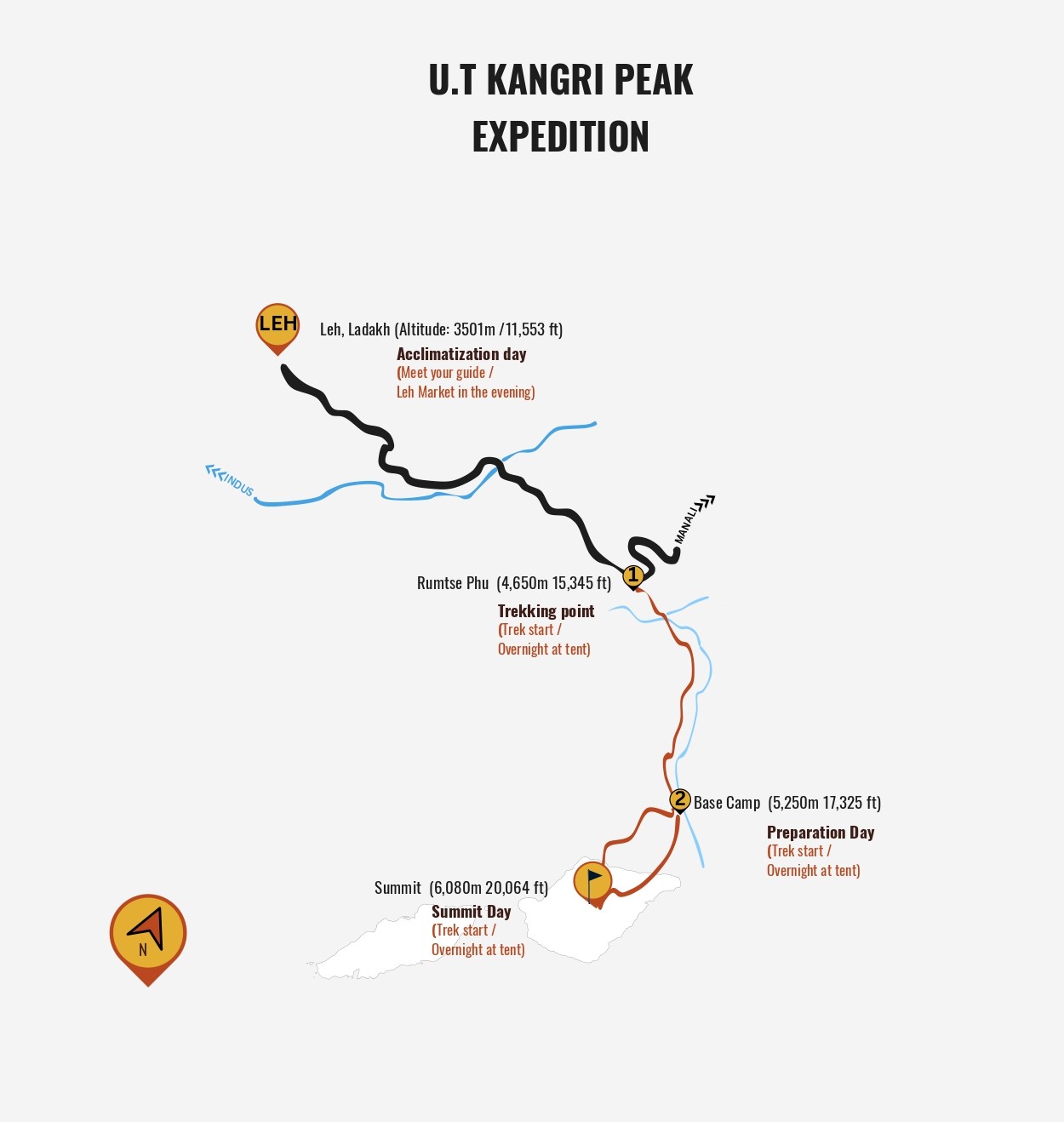
Day One: Arrival in Leh
-
-
-
- We’ll pick you up at the airport and transfer you to the Hotel
- It’s best, you let your body acclimatize by taking the day slowly
-
-
Day Two: . Hike to Gyamtsa
-
-
-
- Hike to upper Leh Valley, soaking in the panoramic views
- This is crucial to adjust your body to new atmosphere
-
-
Day Three: Drive to Rumtse Phu
-
-
-
- Leh via Leh- Manali Highway along Indus river.
- Overnight Rumtse Phu in tent
-
-
Day Four: Trek to Base Camp
-
-
-
- The trek gradual ascent. Trek along the pastureland of Shakrok-doksa
- Acclimatization walk in the evening towards the upper valley
-
-
Day Five: Training and Rest day
-
-
-
- Introduction to mountaineering equipment and its applications
- Rappelling and self rescue techniques
-
-
Day Six: Base Camp to Summit and Back
-
-
-
- Start climb early morning to summit before dawn to avoid the strong sun.
- Rest at base camp after a long and tiring day
-
-
Day Seven: Trek to Rumtse Phu / Drive Leh
-
-
-
- Will pack our camp early morning and descend down to Rumtse Phu
- Drive us back to Leh from Rumtse Phu
-
-
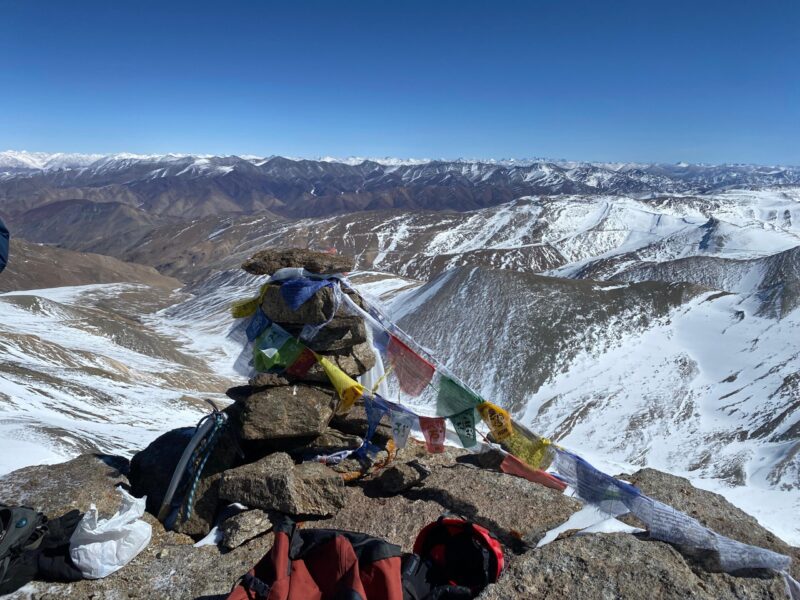
While heavy snowfall and extreme conditions make most Ladakh expeditions impossible in winter, a few select peaks remain accessible. UT Peak Ladakh stands out as an excellent and achievable objective for beginner climbers aiming to summit their first 6,000-meter peak.
Situated in the eastern part of Ladakh, UT Peak rises to 6,070 meters above sea level, approximately 90 km from Leh. This magnificent peak is surrounded by stunning, snow-capped mountains and offers climbers breathtaking panoramic views of the Zanskar and Ladakh ranges within the Greater Himalayas.
Although many peaks surround it, UT Peak is consistently ranked among the best for aspiring mountaineers. The ascent is a rewarding challenge that tests both physical stamina and mental fortitude, involving experiences like camping in deep snow. Your efforts are compensated with unparalleled scenery, including vistas of the distant Karakoram Range. On a clear day, you can even spot famous Himalayan giants like Nun, Kun, and Saser Kangri.
UT Peak holds a special place in modern mountaineering history. It was first scaled in 2019 by the Ladakh Mountain Guide Association (LMGA), a passionate group of local guides. The peak was named to honor Ladakh’s historic designation as a Union Territory that same year, making a climb here a journey through a living landscape.
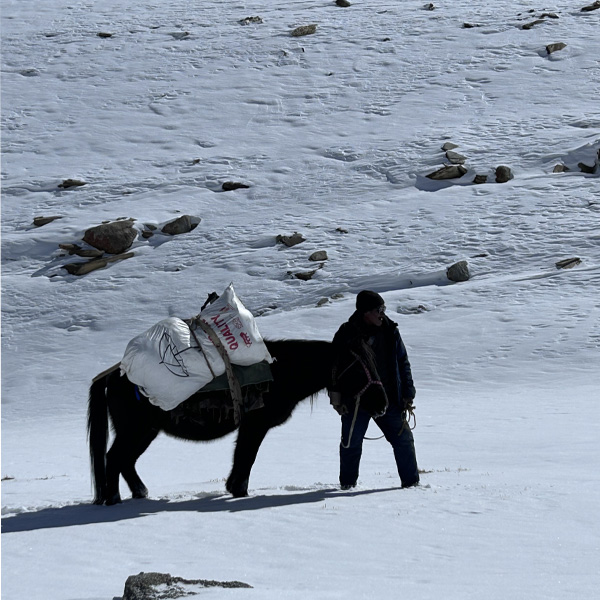
UT, winter
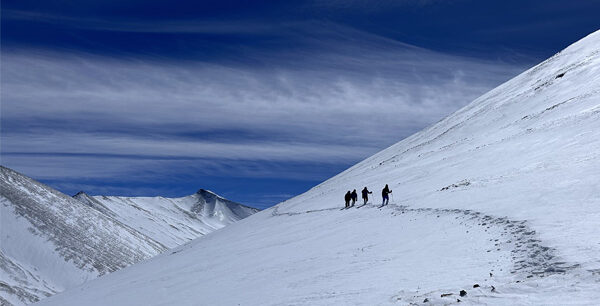
UT, winter

UT peak Ladakh